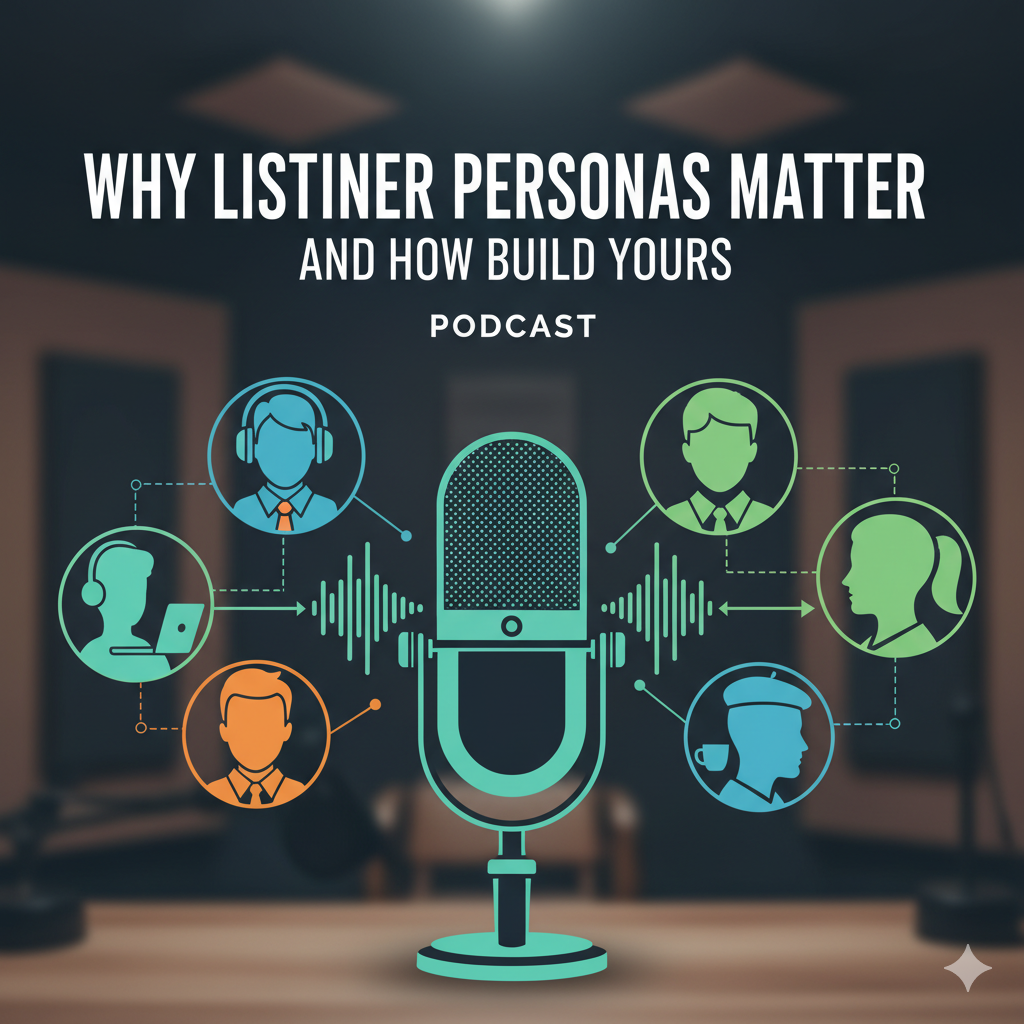
You could be making amazing podcast episodes, but the real question is, are they reaching the right people? Many podcasters make the mistake of creating content for ‘everyone.’ The result is episodes that sound good but fail to connect deeply with anyone.
That is where podcast listener personas come in. A listener persona is a clear picture of who your ideal audience is. It helps you understand what your listeners want, what problems they face, and how your show can truly serve them. By knowing your listeners, you can create content that resonates, keeps people coming back, and even attracts new fans naturally.
In this post, we will show you why listener personas matter so much for your podcast growth. More importantly, we will walk you step-by-step on how to build your own personas so that every episode you make hits the mark.
Why Listener Personas Matter
Knowing your ideal listener through a detailed listener persona is more than just a strategy — it is the foundation for creating a podcast that truly connects. Here’s why it matters and how it can transform your show:
1. Helps Create Targeted Content That Resonates
When you understand your listener’s goals, challenges, and interests, you can produce episodes that speak directly to them. Instead of guessing what your audience might like, you create content with confidence. For example, if your persona is Jane, the 28-year-old entrepreneur, you know she values actionable business tips and motivational stories. Episodes designed with Jane in mind are more likely to keep her engaged from start to finish.
2. Guides Marketing and Promotion Strategies
A clear listener persona helps you decide where to promote your podcast. You know which social media platforms your audience uses, what kind of messaging grabs their attention, and which hashtags or communities they follow. This makes your promotional efforts more focused and effective.
3. Improves Engagement and Loyalty
Listeners respond to content that feels personal and relevant. By targeting episodes to a specific persona, you encourage more interaction, such as comments, shares, and messages. Over time, these interactions build loyalty and create a community around your podcast.
4. Helps in Pitching Sponsors or Partnerships
Sponsors and partners want to know exactly who listens to your podcast. A well-defined listener persona demonstrates that you understand your audience and can deliver value to them. This makes your podcast more attractive to potential sponsors or collaborative opportunities.
Example: Episodes created for a clearly defined persona attract meaningful interactions. Listeners are more likely to comment, share, and recommend your show to people who are similar to them. It turns casual downloads into loyal, engaged fans who help your podcast grow organically.
If you want help defining your listener persona and turning it into a strategy that drives content, marketing, and sponsorship opportunities, Pure Lighthouse Media offers consultations to guide you every step of the way.
Step 1: Gather Listener Data
Before you can create an accurate listener persona, you need to know who is actually listening. This step is about collecting real information so your persona reflects your true audience, not just assumptions.
Where to Find Data:
- Podcast Analytics: Most podcast hosting platforms give insights like listener locations, episode performance, and download numbers. This tells you which topics or formats your audience prefers.
- Social Media Insights: Check who engages with your podcast posts. Look at age ranges, locations, and which posts get the most comments or shares.
- Email Lists: If you have a newsletter, see who opens your emails and which links they click. This shows what content your audience values most.
- Surveys and Polls: Ask your listeners directly about their preferences, challenges, and goals. Even a short survey with 5–10 questions can give you valuable insights.
What to Look For: Focus on information that will help you create content that resonates. For example:
- Demographics: Age, location, occupation.
- Listening Habits: When and where they listen, favorite devices or apps.
- Topics of Interest: Which episodes or subjects they engage with most.
- Challenges and Goals: What problems they are trying to solve or what they hope to achieve.
Pro Tip: Start small if you have limited data. You don’t need to know everything right away. Focus on the key characteristics that will make your content more relevant and useful.
Step 2: Identify Goals and Challenges
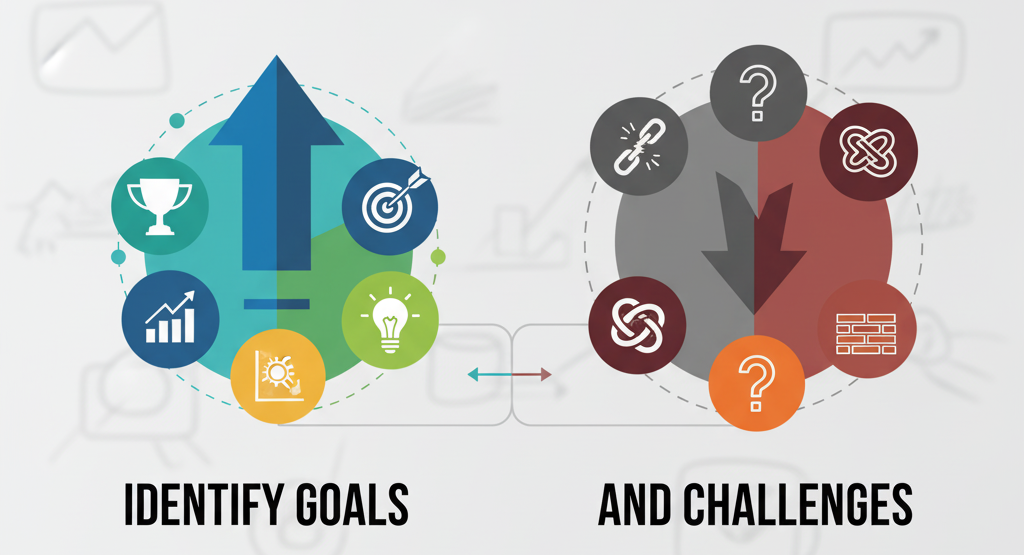
Once you know who your listeners are, the next step is understanding why they listen and what they are trying to achieve. This is important because your content should solve their problems or help them reach their goals.
Ask Yourself These Questions:
- What problems is my audience facing in their personal or professional life?
- Why do they turn to podcasts like mine? Is it for learning, entertainment, inspiration, or a mix of these?
- What challenges or obstacles make it hard for them to achieve their goals?
- How can my podcast provide solutions, tips, or motivation to overcome these challenges?
List Format for Clarity: Create bullet points to organize the main goals and challenges of your listeners. For example:
Primary Goals:
- Learn actionable business or career tips
- Gain motivation and inspiration
- Stay updated on industry trends
- Connect with like-minded people
Primary Challenges:
- Lack of time to learn or research
- Difficulty finding trustworthy advice
- Overwhelmed by conflicting information
- Feeling isolated in their field or community
Pro Tip: Writing these down makes it easier to design episodes that speak directly to your listeners’ needs. Each episode should answer at least one goal or challenge from your list.
If figuring out your audience’s goals and challenges feels tricky, Pure Lighthouse Media offers consultation services to help you map out listener needs. We guide podcasters in creating content that truly connects, engages, and grows your loyal audience.
Step 3: Build Detailed Personas
Now that you know your listeners’ demographics, goals, and challenges, it’s time to turn that information into a complete listener persona. Think of this as creating a character who represents your ideal audience. The more detailed you are, the easier it is to make content that truly resonates.
What to Include in Your Persona:
- Name: Give your persona a realistic name to make them feel human. For example, Jane or David.
- Age: Helps you understand life stage and interests.
- Occupation: Shows their daily challenges and motivations.
- Interests and Hobbies: Tells you what topics they are naturally drawn to.
- Favorite Podcast Topics: Guides the themes you should cover in your episodes.
- Listening Environment: Are they commuting, working out, or relaxing at home? This helps with format, length, and tone.
- Goals: What are they hoping to achieve by listening to your podcast?
- Challenges: What obstacles make it hard for them to reach those goals?
In addition, having these personas visible while planning episodes or marketing campaigns keeps your content audience-focused.
If creating detailed personas feels overwhelming, Pure Lighthouse Media offers consultation services to help you build clear, actionable listener personas that guide your content strategy and marketing efforts.
Step 4: Apply Personas to Your Podcast Strategy
Now that you have detailed listener personas, the next step is to put them to work. Your personas are not just documents—they are tools to guide every decision you make for your podcast.
1. Content Creation: Use your personas to choose topics, stories, and examples that truly resonate. For example, if your persona is a busy entrepreneur, focus on actionable tips and concise episodes. Adjust your tone and storytelling style to match their preferences. Do they enjoy casual, conversational episodes or structured, step-by-step guides?
2. Marketing and Promotion: Your personas tell you where your listeners spend time online. Use that information to focus your promotional efforts. If your target persona is active on LinkedIn, share episodes there. If they engage more on Instagram or in newsletter communities, prioritize those channels. This ensures your podcast reaches the right ears without wasting time or money.
3. Monetization: When approaching sponsors or partnerships, personas help you show potential partners that your audience matches their target market. This makes your pitches stronger and your sponsorship opportunities more relevant.
Pro Tip: Regularly revisit your personas. As your audience grows and changes, your strategy should evolve too.
If you’re unsure how to apply your listener personas to create content, marketing, or sponsorship strategies, book a consultation with Pure Lighthouse Media. We’ll help you turn your audience insights into actionable steps that grow your podcast, attract the right listeners, and increase engagement.
Common Mistakes When Creating Personas
Creating listener personas is powerful, but there are some pitfalls podcasters often fall into. Avoiding these will make your personas much more effective.
1. Making Personas Too Broad or Generic: A persona like “someone who likes podcasts” is too vague. It does not give you actionable guidance for content, marketing, or sponsorships. Be specific about age, interests, habits, challenges, and goals. The more detailed, the better.
2. Relying Only on Assumptions: It is tempting to guess what your listeners want, but assumptions can mislead you. Instead, use real data—analytics from your podcast host, social media insights, survey responses, or email list behavior. This ensures your personas reflect reality, not guesses.
3. Forgetting to Update Them: Audiences evolve. If you created a persona two years ago and never revisited it, you might be creating content for the wrong listener. Regularly review analytics, gather new feedback, and adjust your personas as your audience grows or changes.
Quick Fix: Schedule a review of your listener personas every few months. Check analytics, trends, and engagement to refine them. Small updates keep your content, marketing, and sponsorship efforts on target.
Conclusion
Recap: Creating clear listener personas helps you focus your podcast, connect more deeply with your audience, and grow your show in a meaningful way. When you know exactly who you are speaking to, your content becomes more engaging and your promotional efforts more effective.
Encouragement: You do not need a huge audience to make an impact. Even a small, loyal group of listeners can grow over time when you understand their needs and create episodes tailored to them. The key is clarity, consistency, and connection.
Want help building detailed listener personas that guide your content and grow your audience? Book a podcast training with Pure Lighthouse Media today. We’ll walk you step by step to ensure every episode reaches the right listeners and makes a lasting impression.