
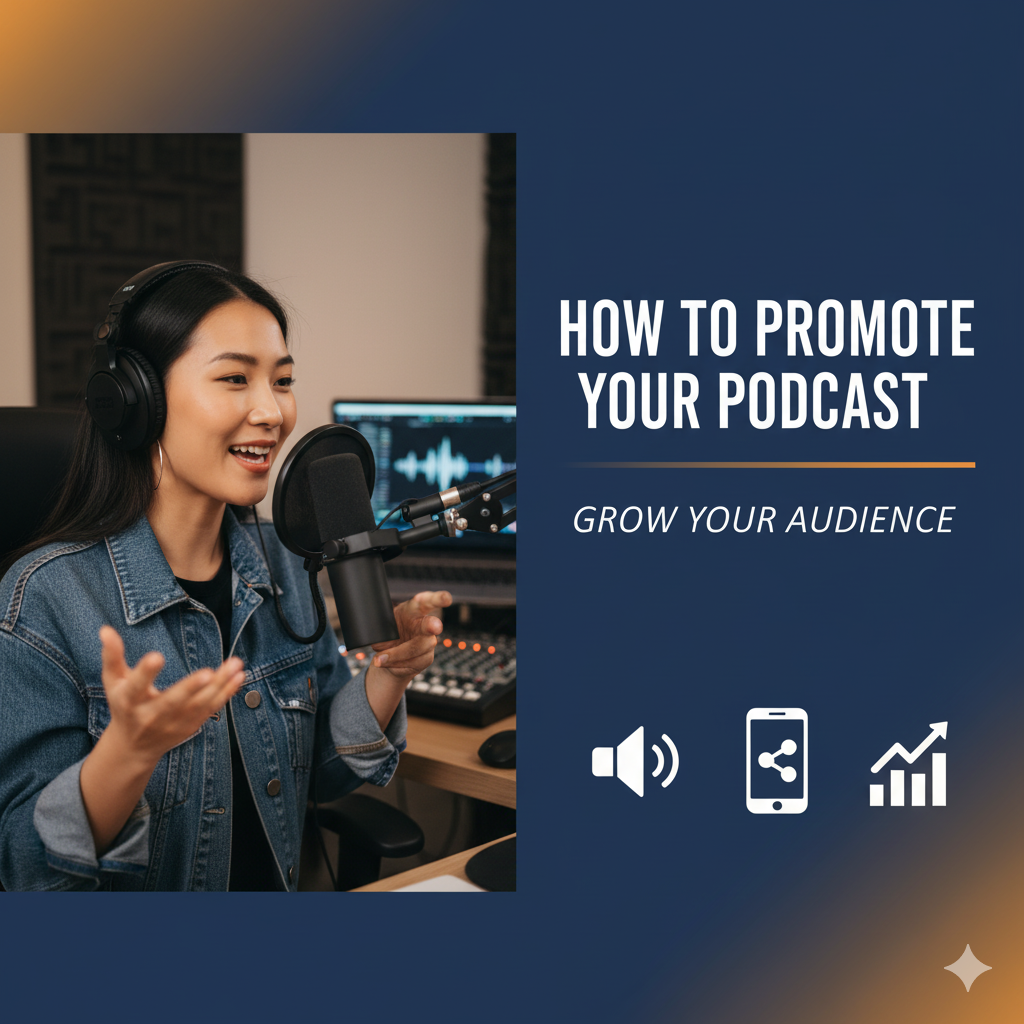
You’ve finally done it. Your podcast is live, your first episodes are uploaded, and you’re excited to share your ideas with the world. But then the big question hits you, how do you actually get people to listen?
If you’ve ever felt like promotion is harder than recording, you’re not alone. Many new podcasters quickly realize that great content doesn’t automatically attract listeners. You can have the best guests, the most interesting topics, and still struggle to grow if people don’t know your show exists.
The good news is that promoting your podcast doesn’t have to feel overwhelming. With the right approach and a few simple strategies, you can steadily build an audience that looks forward to every new episode. In this post, we’ll walk through clear, practical ways to get your podcast noticed, shared, and loved by the people who need to hear your message most.
Step 1: Start with a Strong Foundation
Before you even think about promoting your podcast, you need to make sure the foundation is solid. The truth is, promotion is much easier when your show is clear, focused, and visually appealing. Think of it like this, if someone stumbles across your podcast, will they instantly know what it’s about and who it’s for?
Start by defining your target audience. Ask yourself, “Who am I really talking to?” Are you speaking to busy entrepreneurs, first-time moms, or creative freelancers? Knowing exactly who your listeners are helps you create episodes and marketing messages that truly connect.
Next, choose a specific niche and message. The more focused your show is, the easier it is for people to understand why they should listen. A podcast that tries to cover everything often ends up reaching no one. When you narrow your topic, you make it easier for your ideal listeners to find you and stick around.
Then, build a professional brand look. Your cover art, intro music, and tone all send a message about what kind of show you’re running. Good visuals and consistent branding tell potential listeners that you’re serious and trustworthy. It’s often the first impression people get, so make it count.
If you’re unsure where to start, don’t worry, that’s exactly where Pure Lighthouse Media can help. During our podcast setup consultations, we guide creators through defining their niche, polishing their brand, and choosing the right style for their show. With a clear identity in place, promoting your podcast becomes much easier because you already know who you’re speaking to and what you stand for.
Step 2: Optimize Your Podcast for Discovery
Once your show has a solid foundation, the next step is making sure people can actually find it. This is where optimization comes in. You’ve probably heard about SEO for blogs and websites, but did you know it matters for podcasts too? The same principles apply — clear titles, thoughtful descriptions, and strategic keywords can help your podcast show up when people search for topics like yours.
Start with your titles. A title should tell listeners exactly what to expect from the episode. For example, instead of something vague like “Episode 5”, go for something specific and searchable, like “5 Lessons from My First Year as a Small Business Owner.” This kind of title grabs attention, helps people know the value upfront, and also improves your chances of appearing in search results on platforms like Spotify or Apple Podcasts.
Next, pay attention to your descriptions and show notes. Think of them as mini blog posts for each episode. Include key phrases your audience might be searching for, summarize what the episode covers, and highlight main takeaways. Adding timestamps for key moments helps listeners quickly find the sections they care about most.
Don’t forget about tags and categories either. They help podcast directories like Apple Podcasts, Spotify, and Google Podcasts understand what your show is about and recommend it to the right audience. If you skip this step, you’re missing out on free exposure to new listeners who are already looking for content like yours.
Finally, make sure your podcast is listed everywhere it can be discovered. Many new podcasters only upload to one platform, but spreading your show across multiple directories gives you a wider reach. Think of it as planting seeds in more places, more chances for people to find and fall in love with your show.
Step 3: Share Snippets and Visuals on Social Media
Once your podcast is live, don’t let it sit quietly on streaming platforms. Social media is one of the best ways to help your show reach new ears, but the secret is in how you share it. People scroll fast, so you need content that grabs attention within seconds. That’s where audiograms, short clips, and quote graphics come in.
An audiogram is a short, animated snippet of your podcast that includes subtitles and waveforms. It lets people hear a powerful moment from your episode while seeing something eye-catching on their feed. Similarly, short video clips or reels from your recording session can work wonders. If your podcast is audio-only, you can still create short highlight videos with simple visuals, captions, and music.
You can also make quote graphics, pull one great line or insight from your episode and turn it into a clean, branded image. These are perfect for sharing on Instagram, LinkedIn, or Facebook. They remind your audience of your message and spark curiosity about the full episode.
Choose the platforms that best match your audience. If your podcast is about business or personal development, LinkedIn might be the perfect fit. For lifestyle or entertainment podcasts, Instagram and TikTok are great for quick engagement. YouTube Shorts is another powerful tool for reaching people who prefer short, visual content.
The goal isn’t just to post once and disappear. Keep showing up regularly and interact with your audience. Respond to comments, ask questions, and thank people for listening. Consistency builds connection and connection builds loyal listeners.
If creating all these visuals feels like a lot of work, Pure Lighthouse Media can help. Our editing team specializes in transforming your podcast into engaging clips and branded visuals that draw people in and lead them straight to your full episodes. You record, and we’ll make sure your content shines everywhere it’s shared.
Step 5: Build an Email List and Community
One of the biggest mistakes new podcasters make is relying only on social media to promote their show. While social platforms are great for visibility, email is still one of the most reliable and personal ways to connect with your listeners. When someone gives you their email, they are inviting you into their inbox, that means they already trust your voice and want to hear from you directly.
Start by creating a simple mailing list for your podcast. You can use free tools like MailerLite, ConvertKit, or Substack to send updates. Every time you publish a new episode, send a short and friendly email that includes:
- A quick summary of what the episode is about.
- A link to listen on their favorite platform.
- A short note about what inspired the topic or a behind-the-scenes moment.
This keeps your listeners engaged even when they are not on social media. It also builds anticipation for your next episode.
You can take things a step further by offering exclusive content to your subscribers. For example, share bloopers, early access to episodes, or bonus Q&A sessions. This makes your audience feel special and part of your inner circle. You can also ask for feedback through polls or surveys, which helps you shape future episodes based on what your listeners want.
Beyond email, think about building a community space where your listeners can connect with you and each other. Platforms like Discord, Facebook Groups, or Patreon allow you to have deeper conversations, share ideas, and build real relationships. These spaces turn casual listeners into loyal fans who actively promote your podcast to others.
When you focus on building a community, your podcast becomes more than just a show — it becomes a shared experience. People who feel involved are more likely to share episodes, leave reviews, and support you long-term.
Step 6: Repurpose Every Episode into Multiple Formats
One of the smartest ways to grow your podcast audience is to get more out of the content you already have. Every episode you record is packed with valuable insights, quotes, and moments that can be reused in different ways. Repurposing helps you reach new listeners who may not find you through podcast apps but might discover you on social media, blogs, or search engines.
Start by turning your episode into a blog post. Take the main points or key takeaways from your conversation and write them in a simple, easy-to-read format. Blog posts not only give your audience another way to enjoy your content, but they also help with SEO. When someone searches for topics you discussed, your blog could appear in search results, leading them straight to your podcast.
Next, pull out short quotes or memorable moments from the episode to create social media posts or quote graphics. These can be eye-catching visuals for Instagram or quick thoughts for LinkedIn. They remind your followers of your expertise and keep your show visible between episodes.
You can also create mini audio or video clips (called audiograms) using tools like Headliner or Descript. Share a 30–60 second teaser from your episode on TikTok, YouTube Shorts, or Instagram Reels. This gives potential listeners a quick taste of your personality and topic, encouraging them to listen to the full episode.
And don’t forget to reuse your content in email newsletters or as short educational posts. For example, if your episode covers “3 Tips for Better Interviews,” each tip could become its own post or mini video. This strategy turns one 30-minute recording into a week’s worth of engaging content.
Repurposing also saves you time. Instead of constantly creating something new, you are giving your best content a second life across different platforms. It’s about working smarter, not harder.
Step 7: Collaborate and Cross-Promote
One of the fastest ways to grow your podcast audience is by teaming up with others. Collaboration allows you to tap into new audiences, share credibility, and build meaningful connections within your niche. It’s not just about getting more listeners — it’s about building community and trust through shared value.
Start with guest swaps. Invite another podcaster or expert onto your show, and in return, appear on theirs. This helps both of you reach new listeners who already enjoy similar content. For example, if your podcast focuses on entrepreneurship, you could collaborate with a business coach or marketing strategist who speaks to the same type of audience. Both sides win — you exchange audiences while keeping your content fresh and engaging.
You can also create joint episodes or themed collaborations. Maybe you and another podcaster tackle a trending topic together or host a roundtable discussion with multiple guests. These special episodes often get shared more widely because both hosts promote them across their platforms.
Another great idea is cross-promotion. This can be as simple as giving each other shoutouts in your intros or outros, or promoting a partner’s episode in your newsletter or social media posts. Listeners appreciate authentic recommendations, especially when they come from hosts they already trust.
Partnerships can extend beyond other podcasters, too. Think about brands or organizations that align with your podcast’s message. A brand collaboration might include a sponsored episode, a giveaway, or co-branded content that introduces you to their audience.
The key is to collaborate intentionally. Choose partners whose values, tone, and audience fit your show’s goals. That’s how you build credibility while expanding your reach naturally. Just so you know, during our consultations, we guide creators through identifying the right collaboration opportunities, ones that align perfectly with your podcast’s brand and help you grow your audience strategically.
Step 8: Use Paid Promotion Wisely
Once you’ve built a few strong episodes and have a clear brand, it might be time to explore paid promotion. Paid ads can help you reach more listeners faster, but the key is to use them smartly, not just throw money at random boosts.
There are several ways to invest in promotion. You can run social media ads on platforms like Instagram, Facebook, or TikTok to promote specific episodes or highlight your podcast as a whole. These platforms let you target people based on interests, location, and behavior, so you can reach the kind of listeners who are most likely to enjoy your show.
Another option is podcast ads — where your show is featured on other podcasts. This works especially well when you advertise on shows that share a similar audience. For example, if your podcast is about wellness, running a short ad on another health or lifestyle podcast can help you attract engaged listeners who already enjoy that type of content.
You can also try sponsored posts or influencer shoutouts. Partnering with content creators who share your audience can be an affordable and effective way to get noticed. Just make sure the promotion feels authentic and aligns with your brand.
Before you spend, make sure your foundation is solid. Paid ads are most effective when you already have quality episodes, good branding, and a clear message. Otherwise, you risk paying to bring people in, only for them to leave after one listen.
And don’t forget to track your results. Look at which platforms bring the most downloads or engagement. Adjust your strategy based on what’s working rather than boosting posts without a plan.
Step 9: Track, Review, and Adjust
Once your podcast is out in the world and your promotion plan is running, it’s time to look at what’s actually working. Tracking your performance helps you understand your audience better and fine-tune your strategy for steady growth.
Start by using analytics tools like Spotify for Podcasters, Apple Podcasts Connect, or Podtrac. These platforms show you valuable insights such as how many people are listening, which episodes perform best, and where your audience is located. You can also check metrics like listener retention (how long people stay tuned in) and growth trends (how your audience changes over time).
For example, if you notice that interview episodes get more plays than solo ones, that’s a clue your audience enjoys conversations. Or if listeners drop off halfway through an episode, maybe it’s time to tighten your intro or adjust your pacing. The goal isn’t to obsess over every number but to use data as a guide to make smart improvements.
Tracking also helps you measure the success of your promotions. If you ran ads or collaborated with other podcasters, check if your downloads spiked afterward. Over time, you’ll start to see what kind of content and marketing truly move the needle.
Conclusion
Promoting your podcast isn’t about one big moment, it’s about showing up consistently, staying creative, and connecting with your audience over time. Every clip you share, every guest you feature, and every conversation you start brings more people into your world.
Remember, podcast growth doesn’t happen overnight. The most successful shows are the ones that stay patient, learn what works, and keep improving. Whether you’re just starting out or refining your strategy, each step you take builds momentum.