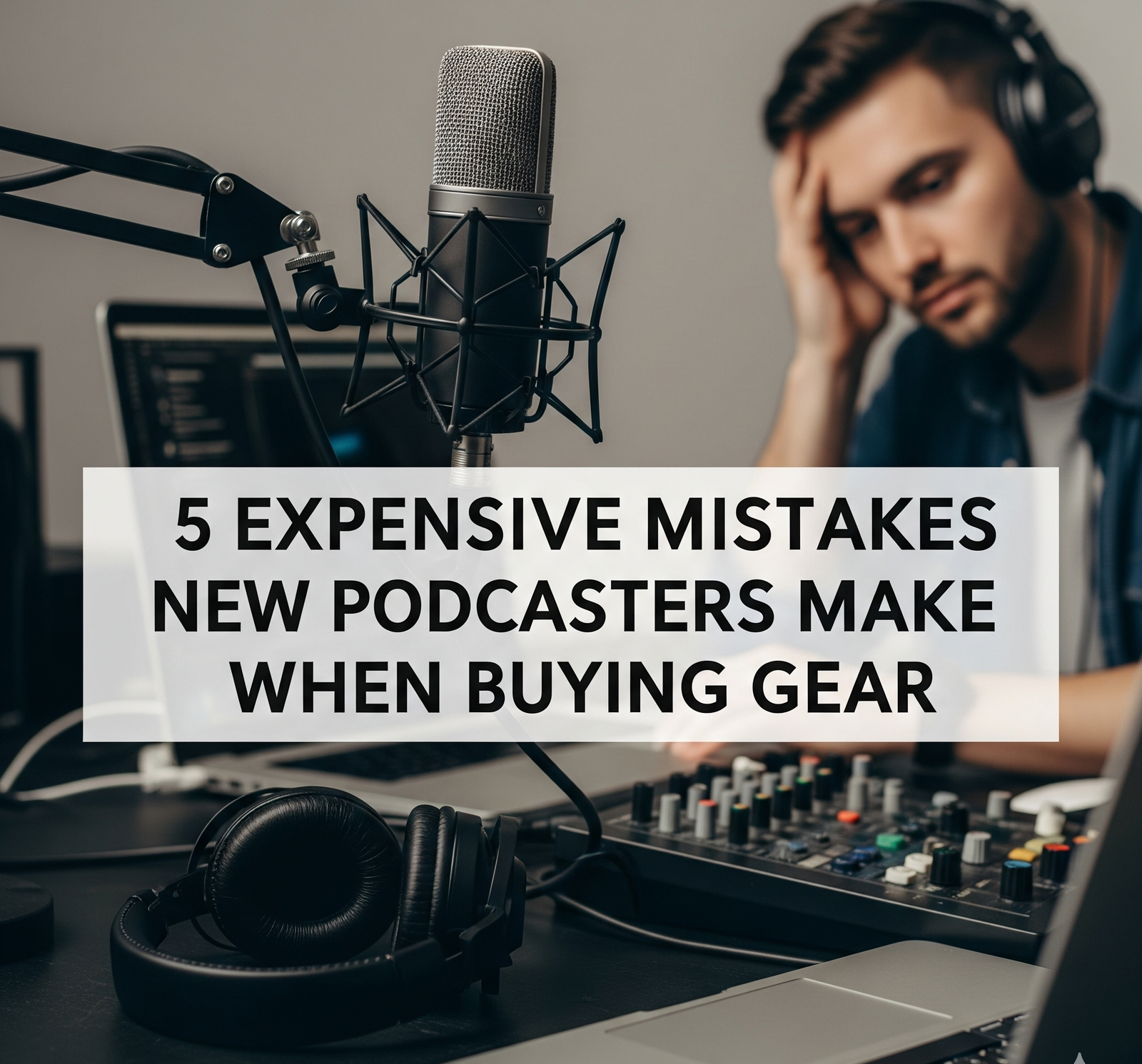
Many beginners believe that simply buying the most expensive microphone will instantly make their podcast sound professional. It is easy to fall into the trap of thinking that high-end gear alone can solve common audio issues.
The reality is that even top-of-the-line microphones cannot fix problems caused by untreated rooms, poor placement, or lack of monitoring. Without understanding the fundamentals of recording, podcasters often spend a lot of money without seeing the expected improvement in sound quality.
In this guide, we will highlight five costly mistakes new podcasters make when buying gear and show how to avoid them. Following these tips will help you save time, money, and frustration while building a setup that actually works.
Mistake 1: Buying the “Fancy” Mic Without Treating the Room
It is a common misconception among first-time podcasters that investing in the most expensive microphone will automatically make their show sound professional. The truth is that no microphone, regardless of price, can compensate for a poorly treated room. Microphones capture everything in the space around them; including unwanted echoes, reverberation, and reflections from hard surfaces.
Imagine setting up a $500 condenser mic in a bare room with tile floors, hard walls, and no furniture. Even if the microphone is capable of capturing studio-quality sound, every bounce from the walls will return to the mic and blend with your voice. The result is a hollow, echo-filled recording that sounds unprofessional. Many beginners are shocked when their expensive mic still produces audio that sounds “cheap” because the room itself becomes part of the recording.
The solution is to prioritize room treatment before splurging on high-end gear. Simple adjustments, such as hanging thick blankets on walls, placing rugs on hard floors, or positioning yourself near bookshelves and soft furniture, can absorb and diffuse sound reflections. Even a small investment in basic foam panels strategically placed around your recording spot can make a massive difference.
A mid-range microphone combined with proper room treatment often delivers far better results than an expensive mic in an untreated space. The key is to address the environment first, because that is what shapes the overall sound.
If you are unsure how to evaluate your room or microphone setup, Pure Lighthouse Media offers consultations specifically for beginners. A short session can identify the main echo problems, recommend targeted solutions, and ensure that any future gear purchases will actually improve your recordings.
Mistake 2: Skipping Headphones and Recording Blind
Many new podcasters overlook one of the simplest yet most crucial tools in a recording setup: headphones. Monitoring your own voice in real-time may seem unnecessary, but it plays a vital role in ensuring clean, professional audio. Without headphones, you are essentially recording “blind”, you cannot hear what your audience will hear, which can lead to frustrating mistakes.
When you skip monitoring, common problems start to appear. You may misjudge your volume, speaking too loudly and causing distortion or too softly, making your voice barely audible. Clipping can occur without warning, and background noises like computer fans, traffic, or air conditioning may go unnoticed until post-production. By the time you discover these issues, hours of recording could be wasted.
The solution is simple: use any decent pair of headphones while recording. You do not need expensive studio monitors; even mid-range closed-back headphones allow you to hear the details of your voice and the environment around you. Monitoring in real-time helps you adjust your mic distance, correct plosives, and manage ambient noise as you record, preventing issues that are much harder to fix in editing.
Choosing the right headphones can be tricky for beginners, especially when building a budget podcast setup. Pure Lighthouse Media offers guidance and personalized recommendations to help you pick headphones that suit your recording space and style, ensuring you get the best sound without overspending.
Mistake 3: Forgetting About Audio Interfaces
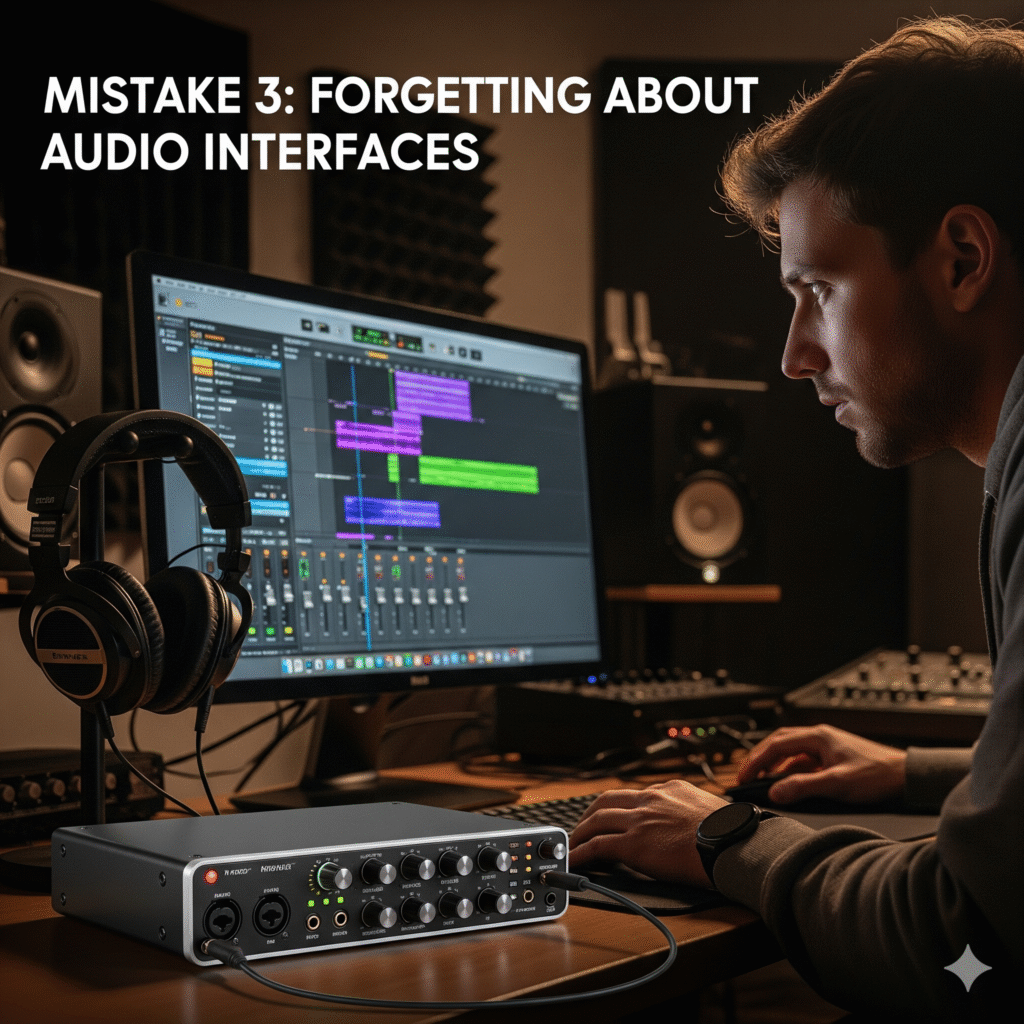
One of the most common mistakes new podcasters make is underestimating the role of audio interfaces in their setup. Many beginners see a high-quality XLR microphone and assume they can plug it directly into their computer like a USB mic. Unfortunately, XLR microphones require an audio interface to convert analog sound into a digital signal that your computer can record. Without an interface, the mic cannot function properly, and you might spend hundreds of dollars on gear that does not work.
This contrasts with USB microphones, which are “plug-and-play” and can be connected directly to a laptop without additional equipment. USB mics are perfect for beginners who want simplicity and a lower upfront cost, though they may offer fewer options for upgrading later.
The solution depends on your goals. If you are just starting out, sticking with a USB microphone keeps your setup simple and avoids unnecessary expenses. If you plan to grow your podcast, host multiple people, or want more control over your sound, investing in a budget-friendly audio interface alongside an XLR mic is the smarter choice. Interfaces provide better sound clarity, gain control, and expandability for future equipment, making them essential for podcasters who want professional-quality audio.
We understand that choosing between USB and XLR can be confusing for beginners. Booking a consultation with Pure Lighthouse Media ensures you select the setup that fits your budget, space, and long-term podcasting goals, preventing costly mistakes and giving you confidence in your workflow.
Mistake 4: Relying on Built-in Laptop Mics
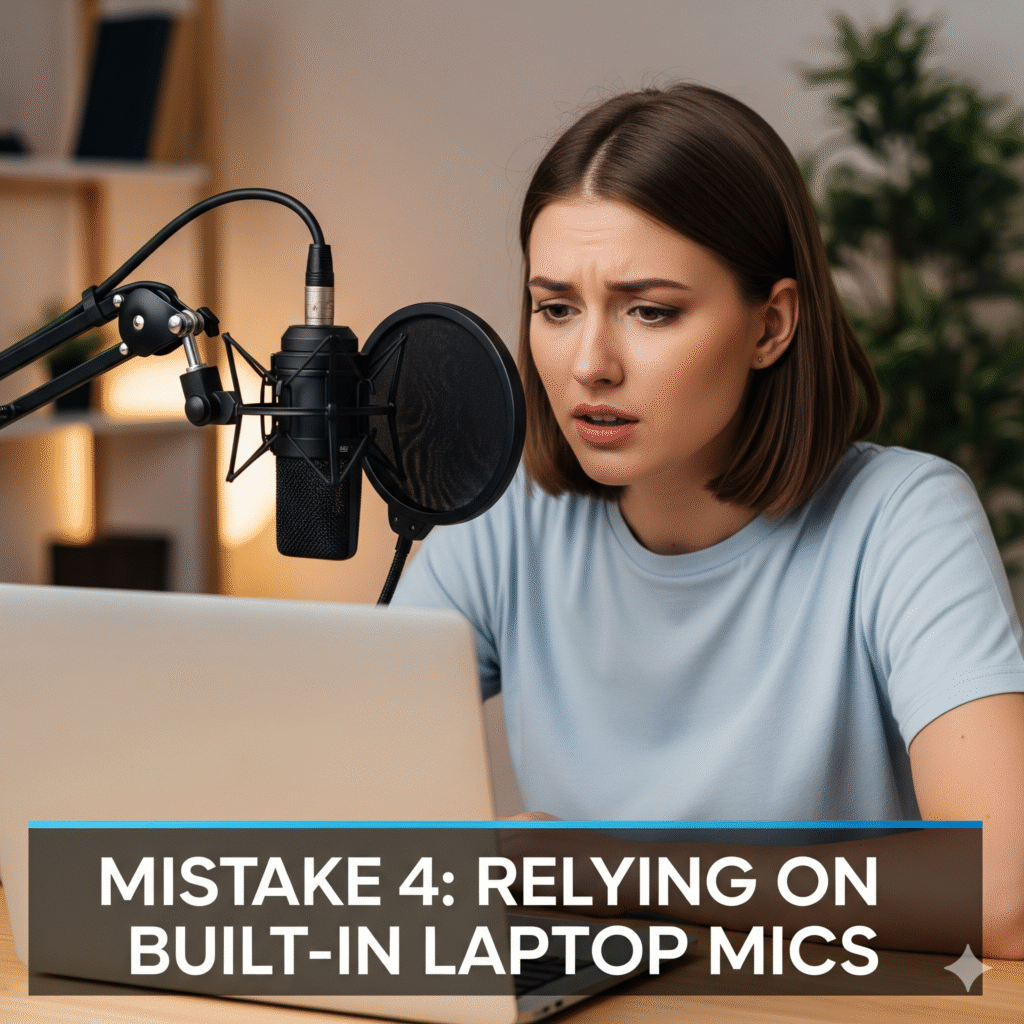
A mistake many first-time podcasters make is thinking that their laptop or webcam microphone is “good enough” to start recording. While built-in mics are convenient, they are not designed for podcasting. They capture every ambient sound in the room, from the hum of a computer fan to traffic outside your window and produce recordings that often sound thin, tinny, or distant. This low-quality audio can make even great content difficult for listeners to enjoy and can give the impression of an unprofessional podcast.
The solution is straightforward and budget-friendly: invest in an entry-level external microphone. Even models under $100 deliver a dramatic improvement in clarity, presence, and tone. A small upgrade like this ensures your voice is the focus of the recording rather than the room’s background noise. USB microphones are particularly easy for beginners because they require no additional equipment and plug directly into your computer.
This is one of the easiest and most impactful upgrades for a budget podcast setup. You do not need to buy top-of-the-line gear to make a noticeable difference. Starting with a reliable external mic not only improves the listener experience immediately but also builds a foundation for future upgrades, such as adding headphones, audio interfaces, or acoustic treatment. Even a modest microphone will pay off in reduced editing time, clearer audio, and a more professional-sounding podcast from the very first episode.
Mistake 5: Buying Gear Without Asking for Help
It is easy to get caught up in online reviews, flashy ads, and “must-have” lists when setting up your first podcast. Many beginners fall into the trap of buying dozens of items based on what others recommend without considering how the gear will actually work together. The result is often unnecessary purchases, incompatible equipment, or spending far more than needed for a basic setup.
For example, you might buy an XLR microphone, a mixer, a fancy boom arm, and multiple accessories without realizing that your room and recording goals do not require all of them. The gear sits unused, and your budget is quickly depleted before you even record your first episode.
The solution is to consult with professionals before making major purchases. Experienced podcasters and consultants can evaluate your goals, space, and budget to recommend gear that works together seamlessly. They can also suggest which upgrades are essential and which can wait, helping you avoid wasted money and frustration.
Pure Lighthouse Media offers budget-friendly podcast equipment recommendations tailored specifically for beginners. By booking a consultation, you receive guidance on exactly what to buy, how to set it up, and how to prioritize your spending to get professional results without overspending.
Conclusion
Expensive mistakes in podcasting often happen when beginners skip the fundamentals. Whether it is neglecting room treatment, recording without monitoring your voice, misunderstanding how audio interfaces work, relying on built-in laptop microphones, or buying gear without guidance, these missteps can cost time, money, and frustration.
The good news is that all of these problems are avoidable. By focusing on practical, beginner-friendly setup choices — starting with your environment, monitoring your audio, understanding your equipment needs, and seeking expert guidance — you can create a budget podcast setup that delivers professional-sounding results from day one.
Avoid wasting money on gear that does not suit your space or goals. Book a consultation with Pure Lighthouse Media today to get tailored recommendations, expert advice on your setup, and support in building a podcast workflow that works for you. With the right guidance, you can start recording confidently, produce cleaner audio, and set your podcast up for long-term success.